Overview
Opportunity
Crunchbase launched AI powered Predictions and Insights in 2025. It forecasts funding rounds, acquisitions, and IPOs using the company's proprietary data.
It was a flagship new capability, but Crunchbase's existing upsell pattern had never been applied to a feature like this. There was no precedent for how much of a prediction to reveal to a free or anonymous user, or how CTAs should differentiate Pro from Business.
How might we guide users to understand the value of each tier?
Outcome
Solution
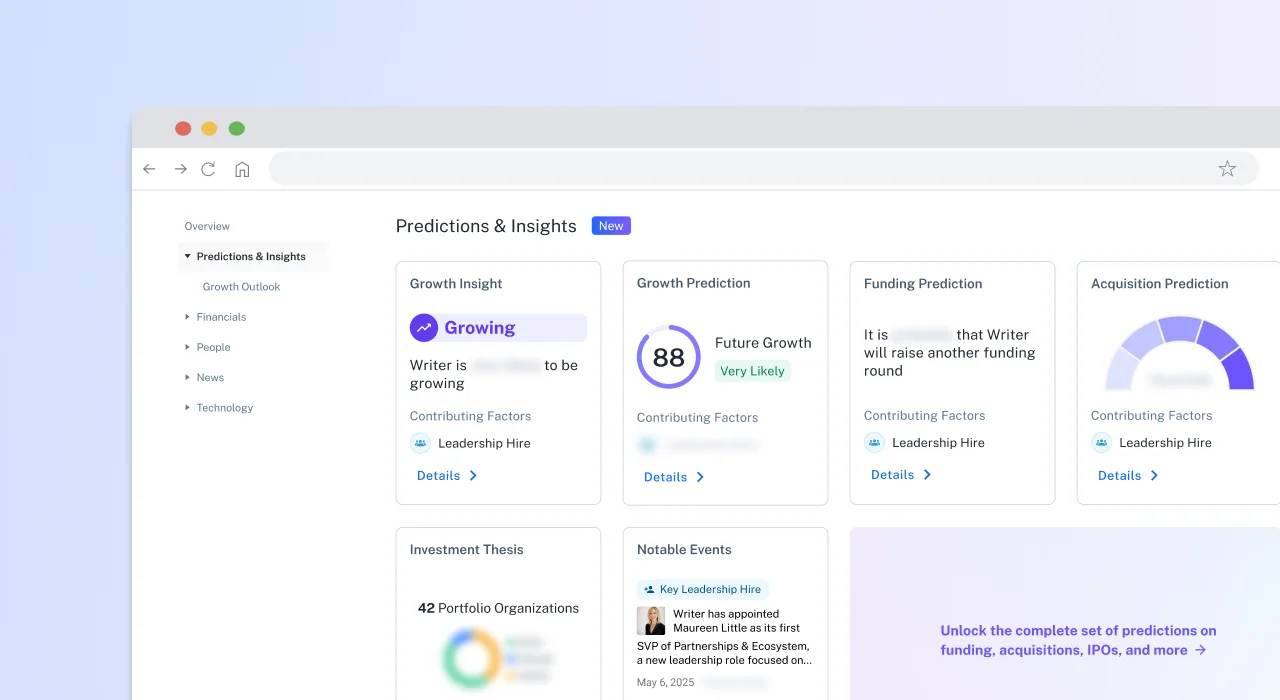
The Framework: Layers, not Tiers
Instead of thinking in plans (Free, Pro, Business), the problem was reframed as depth of information, using an apple as the model. This gave stakeholders a real world model for how to think about the different SKUs.
- Outer layer, Free & Anon The whole apple: Visible, enticing, proves value exists. Previews and upsell banners signal what's inside without giving it away.
- Inner layer, Pro Sliced open: The what, self serve, no sales conversation required.
- Core, Business The seeds: The how and why, the deepest layer, reserved for users with a defined need, worth a higher barrier to entry.
Applying It to the Predictions & Insights UI
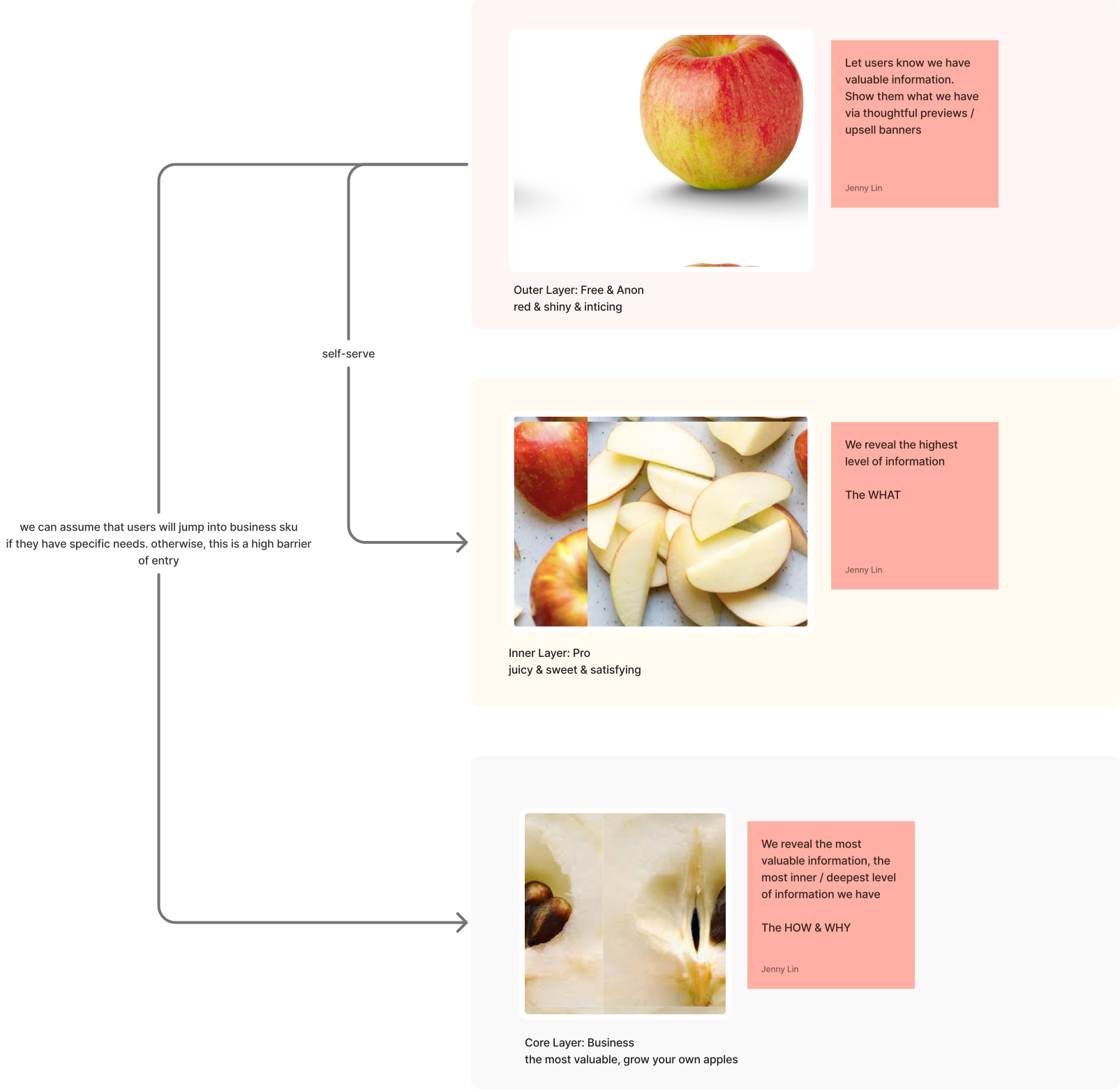
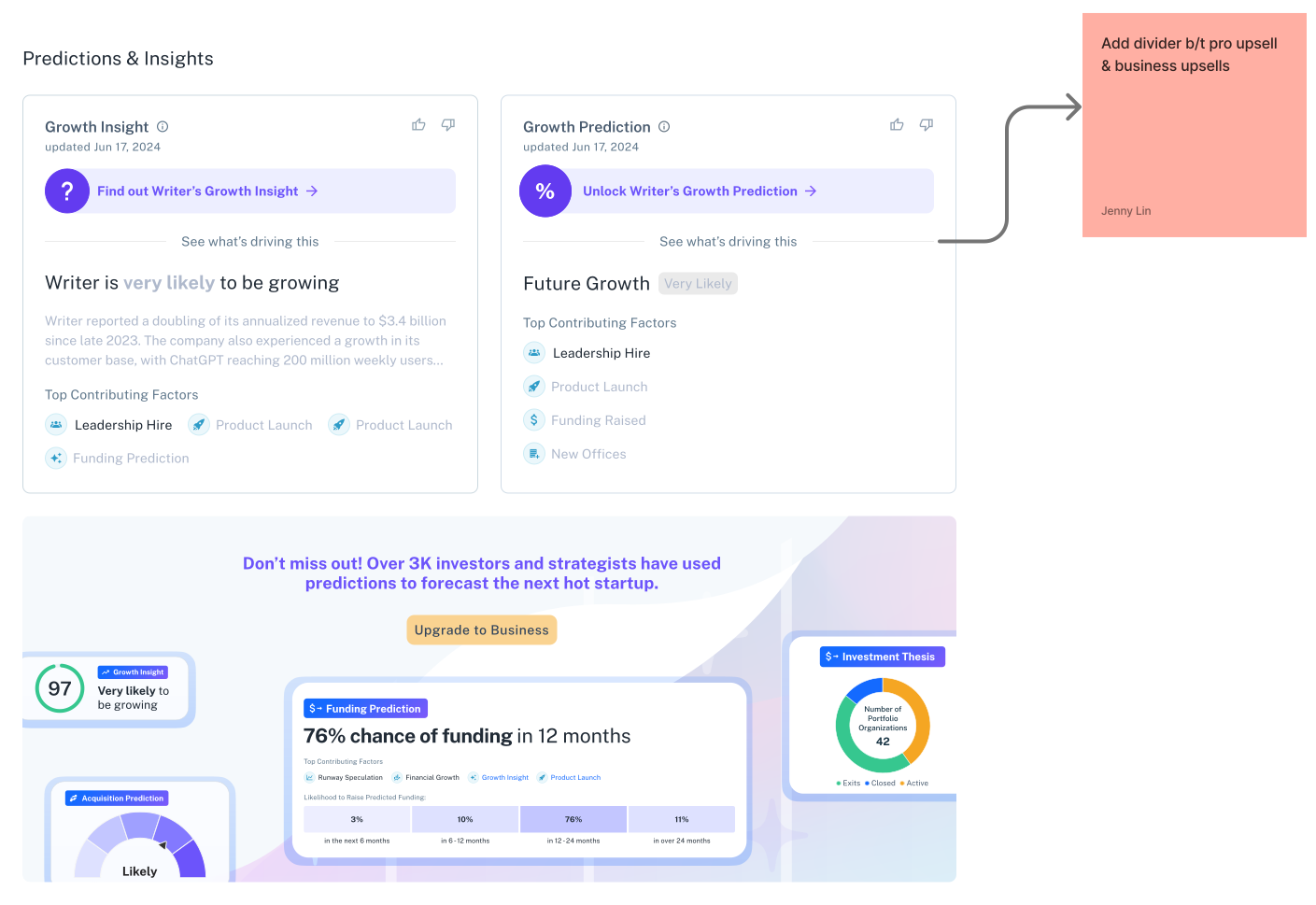
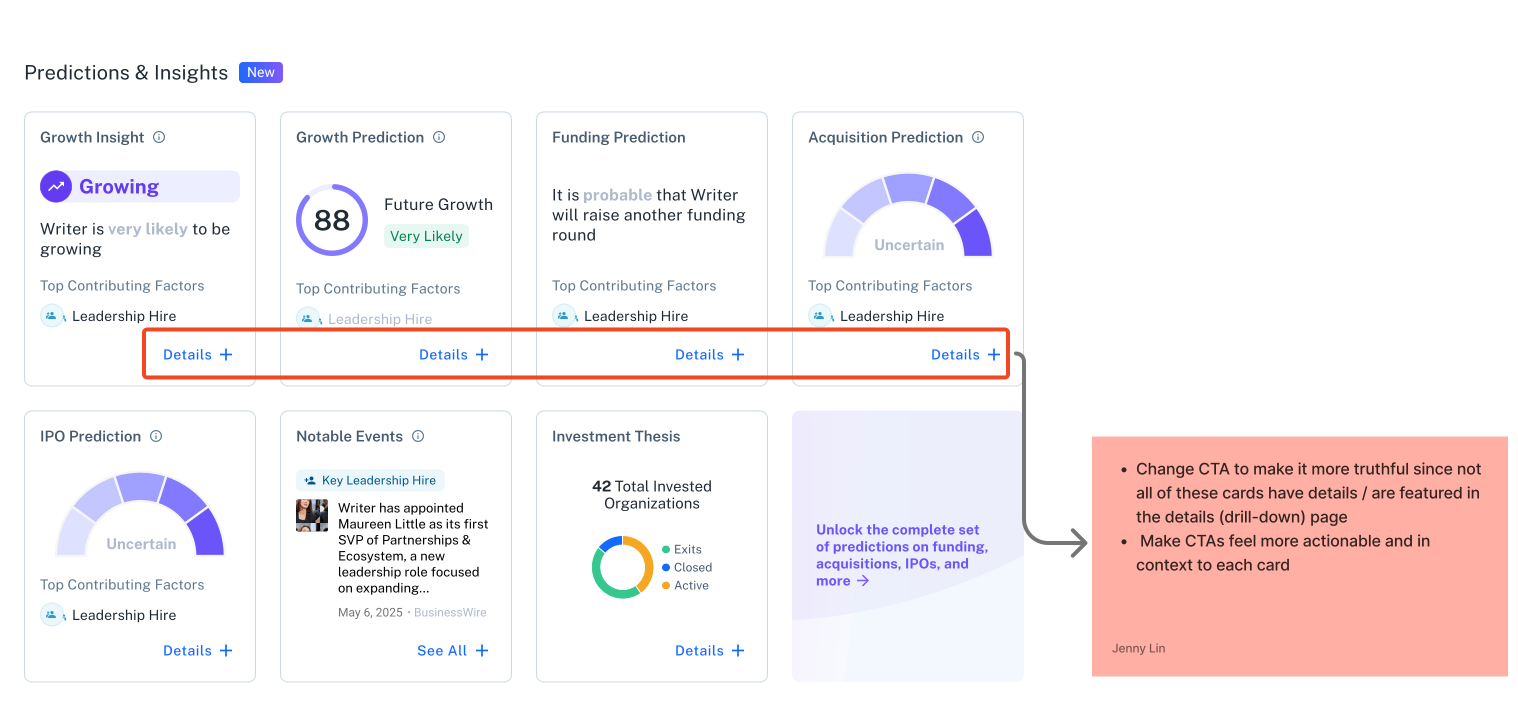
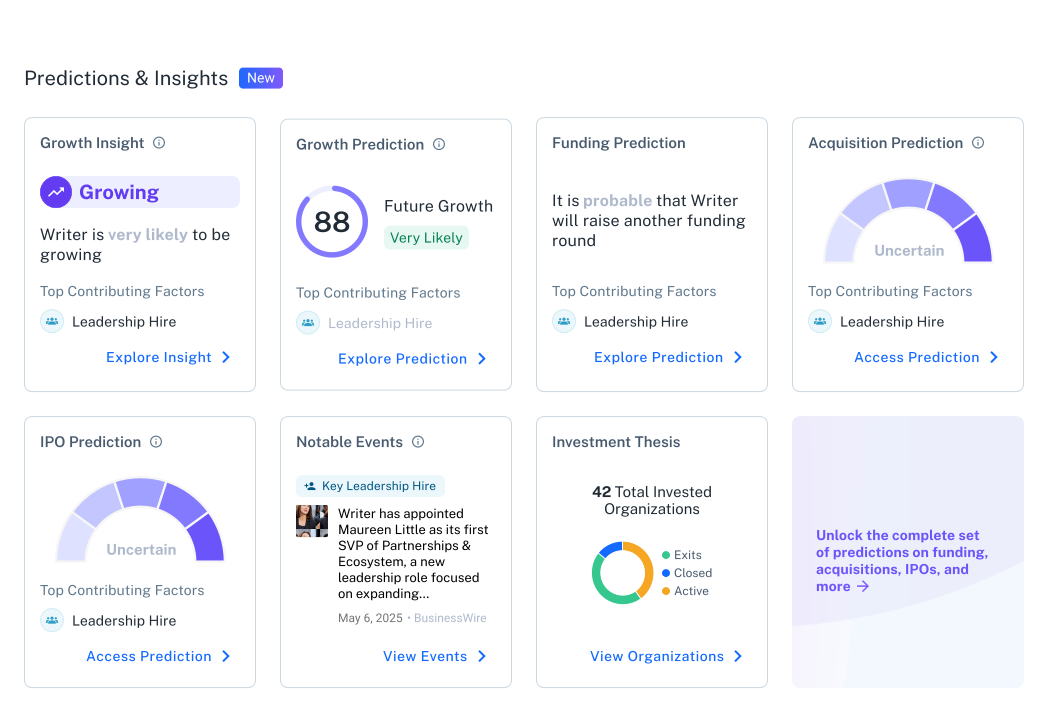
Predictions & Insights was the highlight of the 2025 launch, making it the top priority surface for applying this framework. Early in the design process, it became clear both cards contained a mix of Pro and Business level content, so the goal was to bring clear definition between what belonged to each tier in the anonymous and free experience.
A few principles guided the redesign:
- Similar levels of data are obfuscated the same way, so users learn the pattern once and can apply it everywhere
- Hierarchy and horizontal dividers separate high level information from detailed information
- Visual clutter is reduced by removing unnecessary buttons
Free & Anon: Current and Proposed
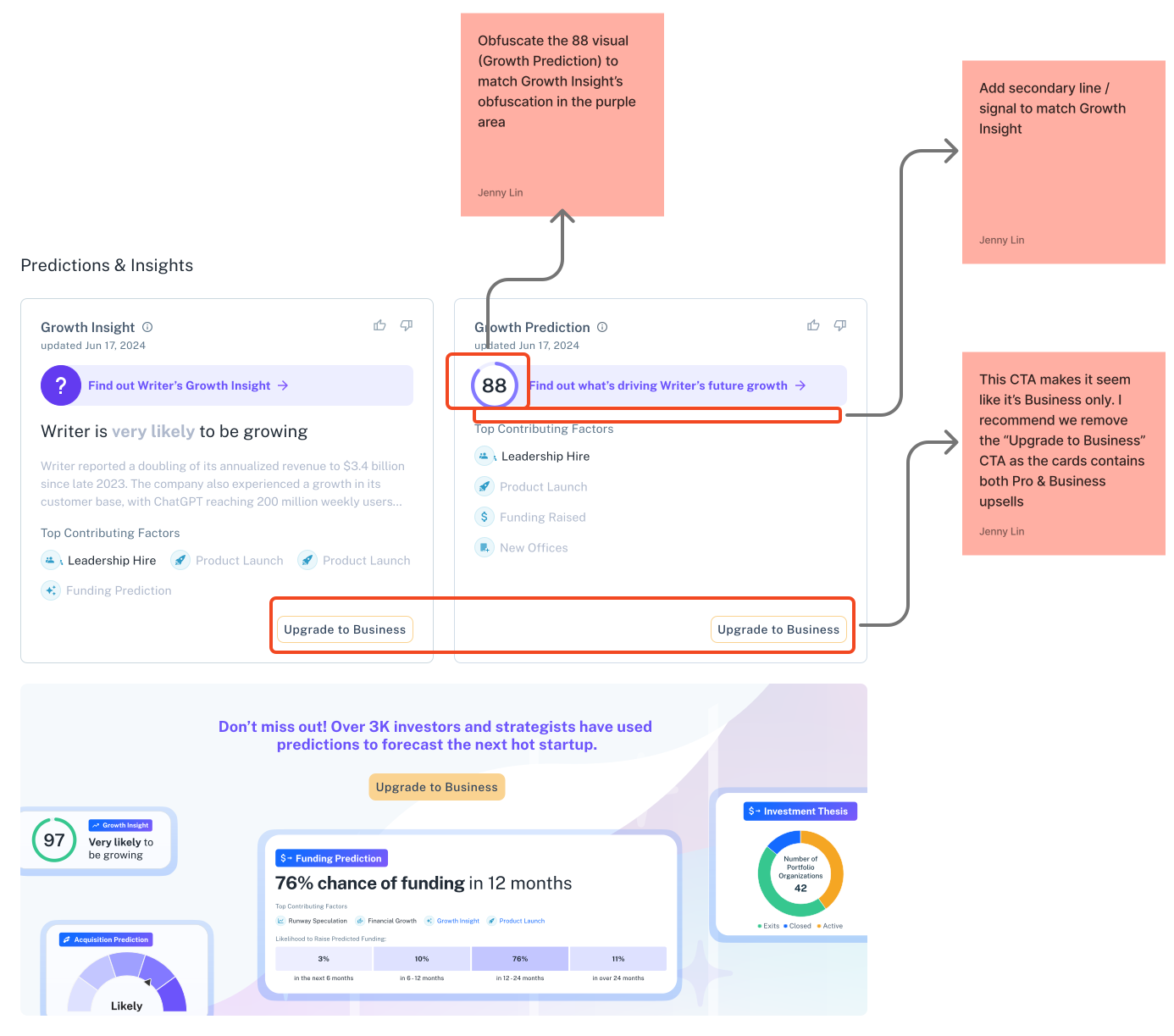
Pro: Current and Proposed
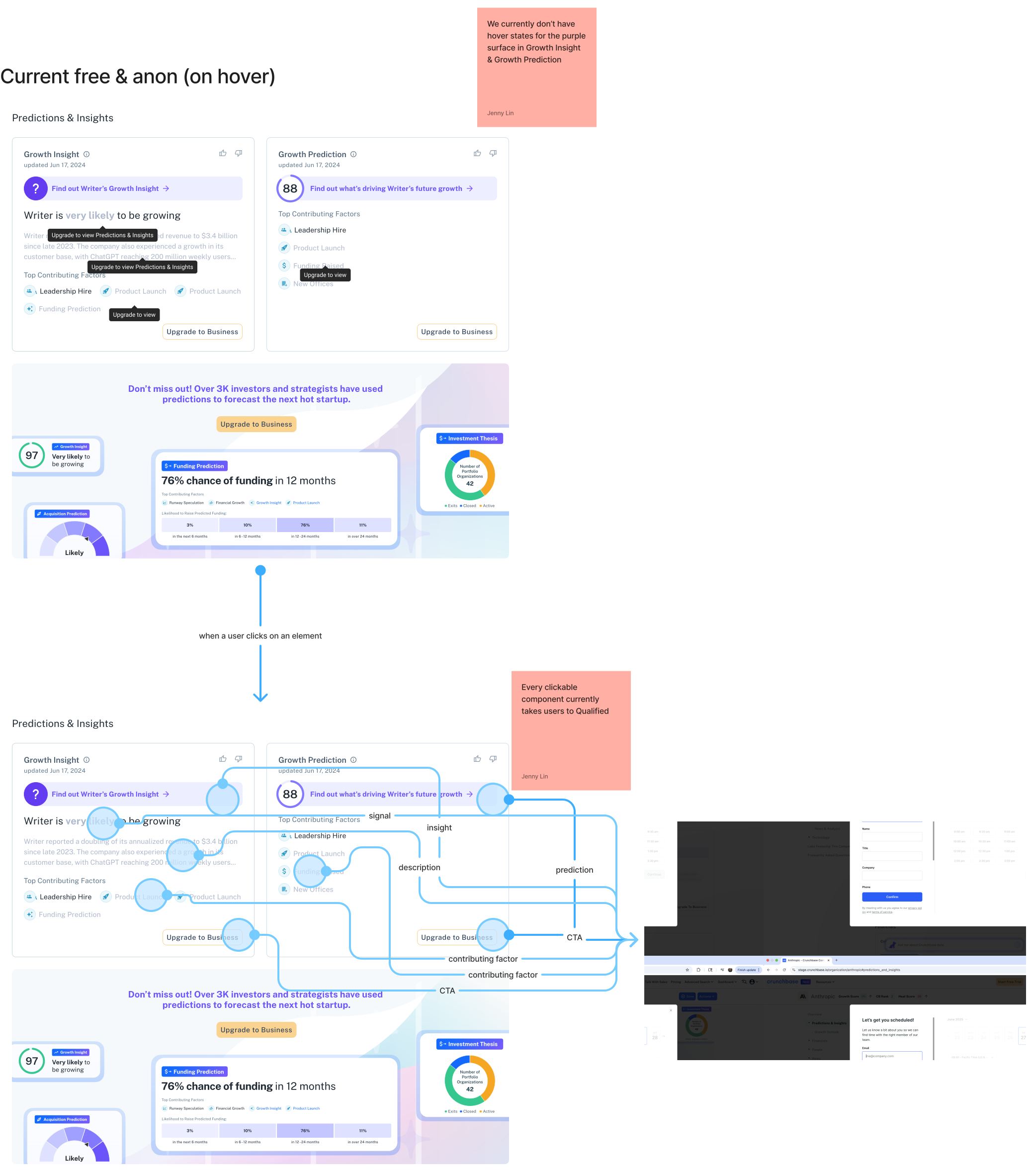
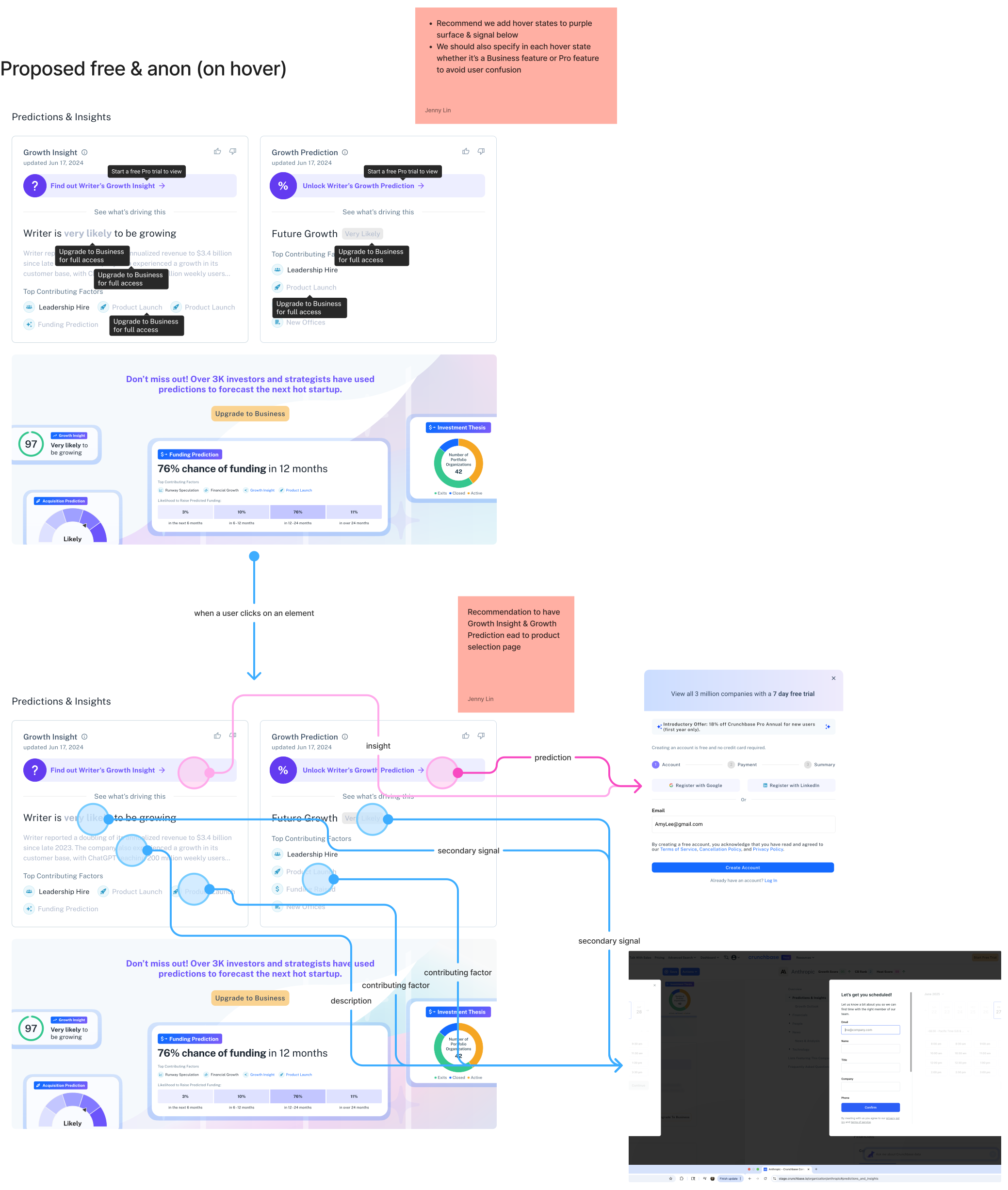
Supporting It with Hover States and Flow
The flow was designed to match the layer logic:
- Hover states disclose which tier a feature belongs to before the user commits to a click
- Pro tier interactions route to a self serve signup or trial flow
- Business tier interactions route to the sales assisted scheduling flow
This Way, the Visual Pattern, the Copy, and the Routing Logic All Reinforce the Same Mental Model.
Process
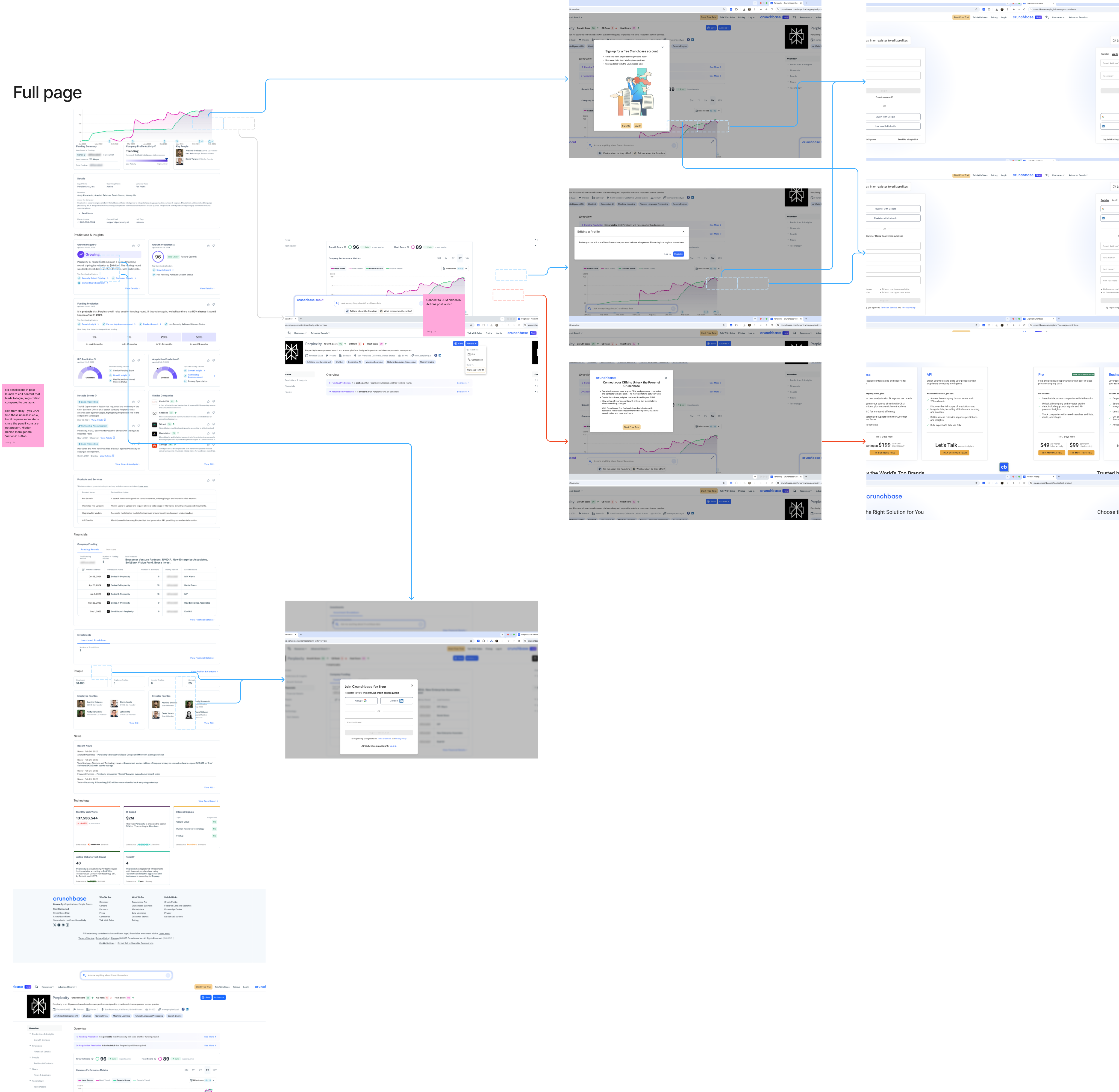
Upsell Audit
Audited how upsells worked across the product: what was obfuscated, where, and how inconsistently. This surfaced the core problem the layered framework would later solve. There was no shared logic for what should be hidden versus shown, so teams were making that call ad hoc.
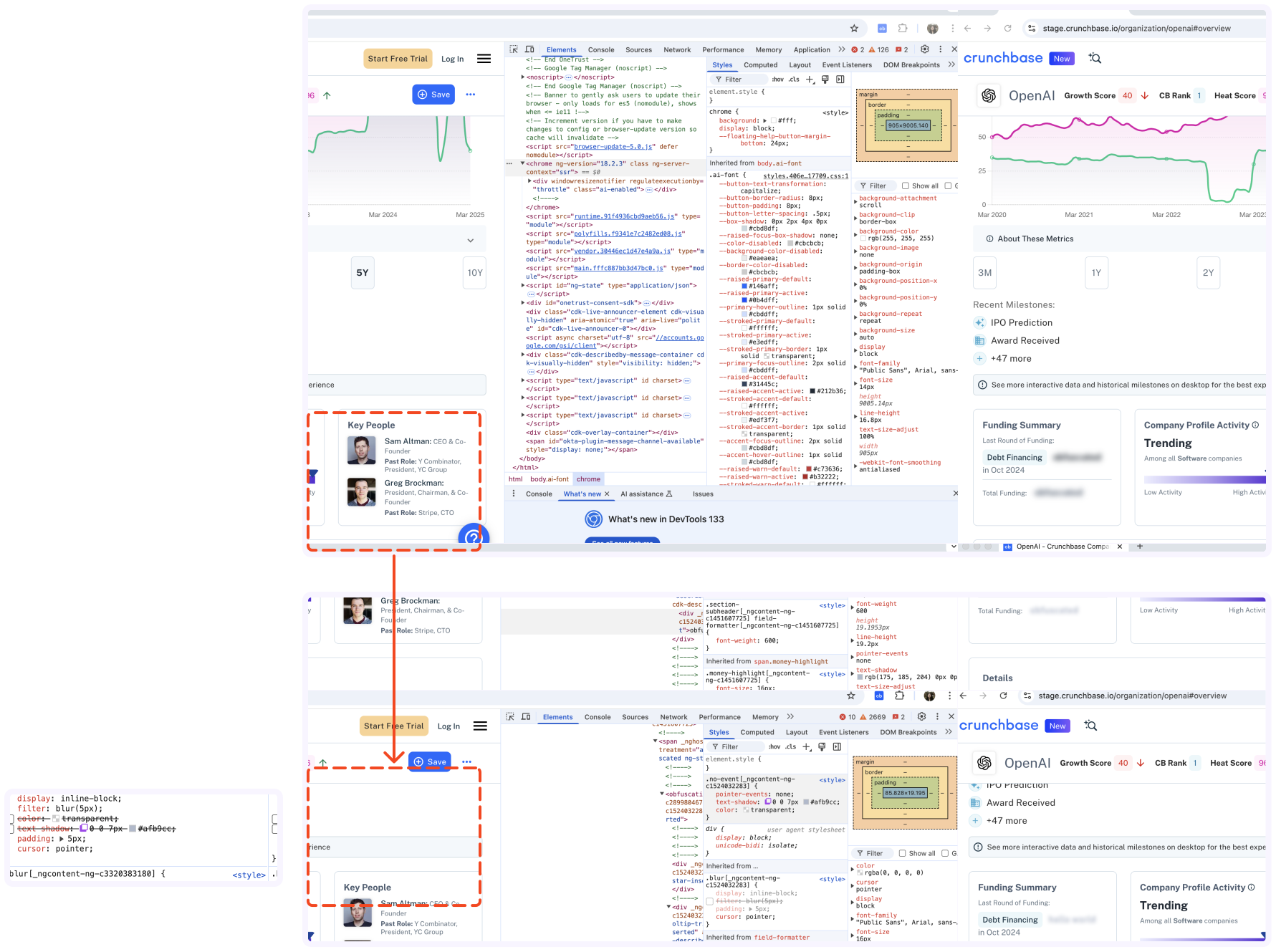
Concepts for Small Data Bits
Not every gated element is a full card. Some are small in line data points, like a single stat or chart segment. Worked with front-end engineering to give obfuscation a lighter visual treatment for these smaller elements, so gated content felt consistent with the rest of the launch instead of heavy or clunky.
A Framework for Team Ownership
Rather than staying the sole gatekeeper of every upsell decision, I worked with stakeholders, the Director of Pricing & Packaging, front-end engineers, and the design team to build a decision framework individual product teams could apply themselves: when to obfuscate, which data point belongs to which SKU, and where to direct customers. This let the pattern scale past my own bandwidth.
The framework also kept every upsell path consistent, so customers could clearly understand the value Crunchbase offered relative to their needs.
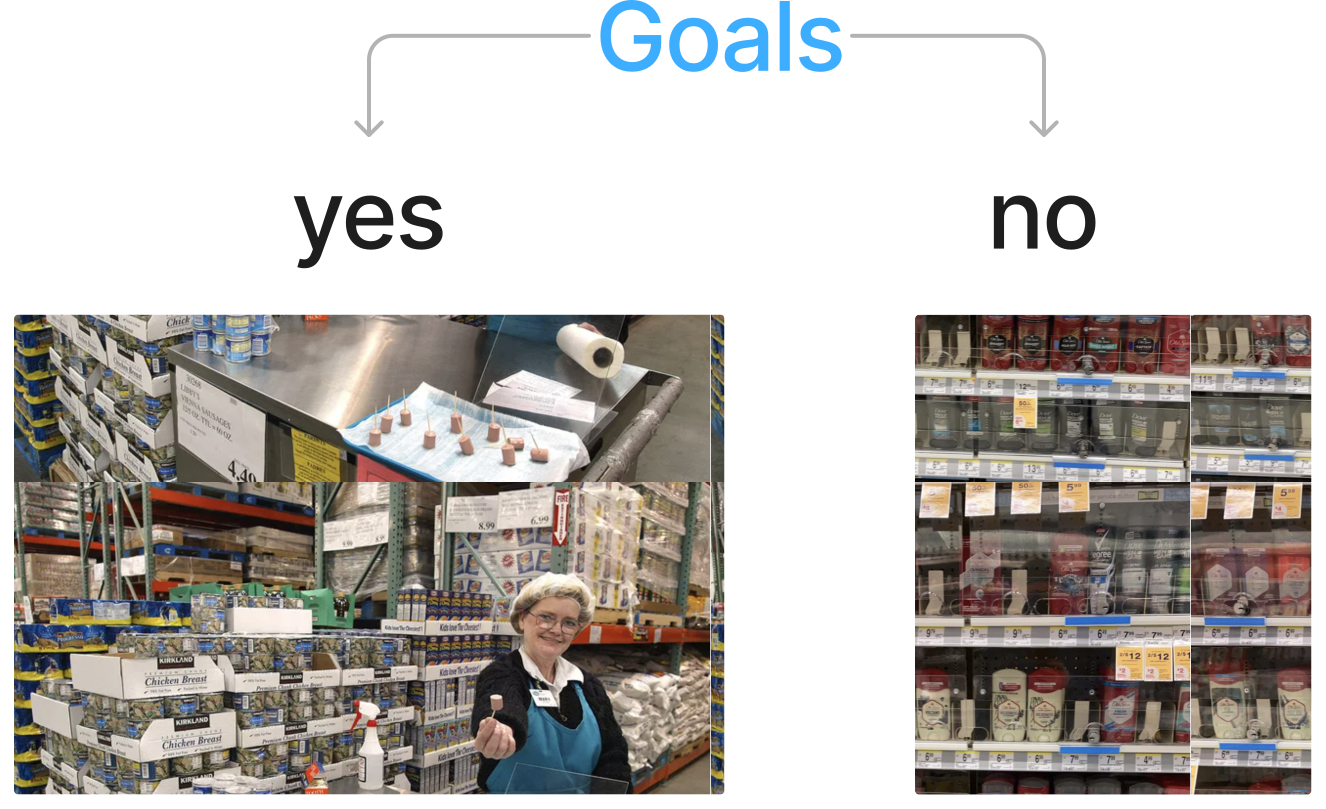
The goal: be the Costco of our space.